
Home / Buying well
Before you buy the bigger one
The bigger one is only a little more. That is how a sensible comparison turns into a much larger appliance arriving at your door.
Extra capacity can be a very good purchase. It can mean fewer batches, room for the food you actually cook, or equipment that handles a regular job without being pushed to its limit. But the useful question comes before the upgrade: What will you put in that space?
Start there, and the decision becomes less about buying the most you can afford and more about buying something that fits.
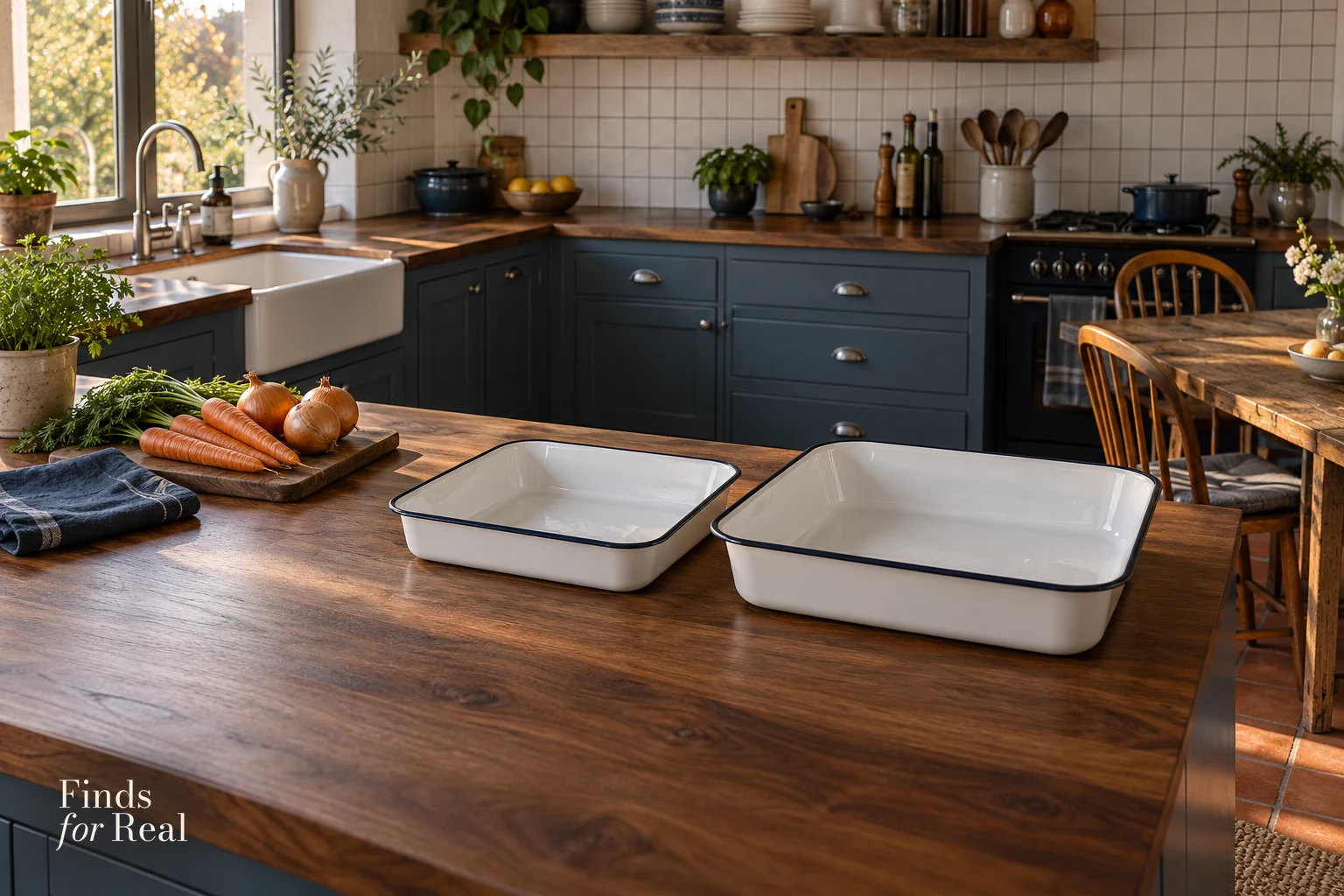
Name the batch before choosing the size
“For a family” is a vague buying brief. Four people eating toast need something different from four people wanting a whole meal ready together.
Write down one ordinary use in plain terms: The vegetables you roast on a weeknight, the dough recipe you make most weekends, or the amount of coffee you actually serve. Include what needs to happen at the same time. Two foods needing different settings raise a different question from one large quantity of the same food.
Then add the larger job you do often enough to plan around. A regular Sunday lunch deserves a place in the decision. A party you might host one day probably should not choose your everyday equipment by itself.
Liters tell you volume. They do not tell you the whole fit.
A tall, narrow container and a wide, shallow one can hold the same volume while being useful for different things. The same distinction matters when you compare bowls, drawers and cooking chambers.
For a food that needs room across a cooking surface, look at the usable base and the preparation instructions. More depth is not automatically more room to spread it out. Equally, a wide opening may matter when you need to lower a dish into an appliance or lift it out safely.
With a mixer, read the limits for the mixture you make. A bowl’s stated volume is not a promise that you can fill it to the rim with any dough. KitchenAid’s guidance distinguishes batch size and dough type; the exact model’s instructions still decide the limit.
If your task involves a particular pan, loaf tin or attachment, check that item against the usable interior. The headline capacity is a starting point, not the final measurement.
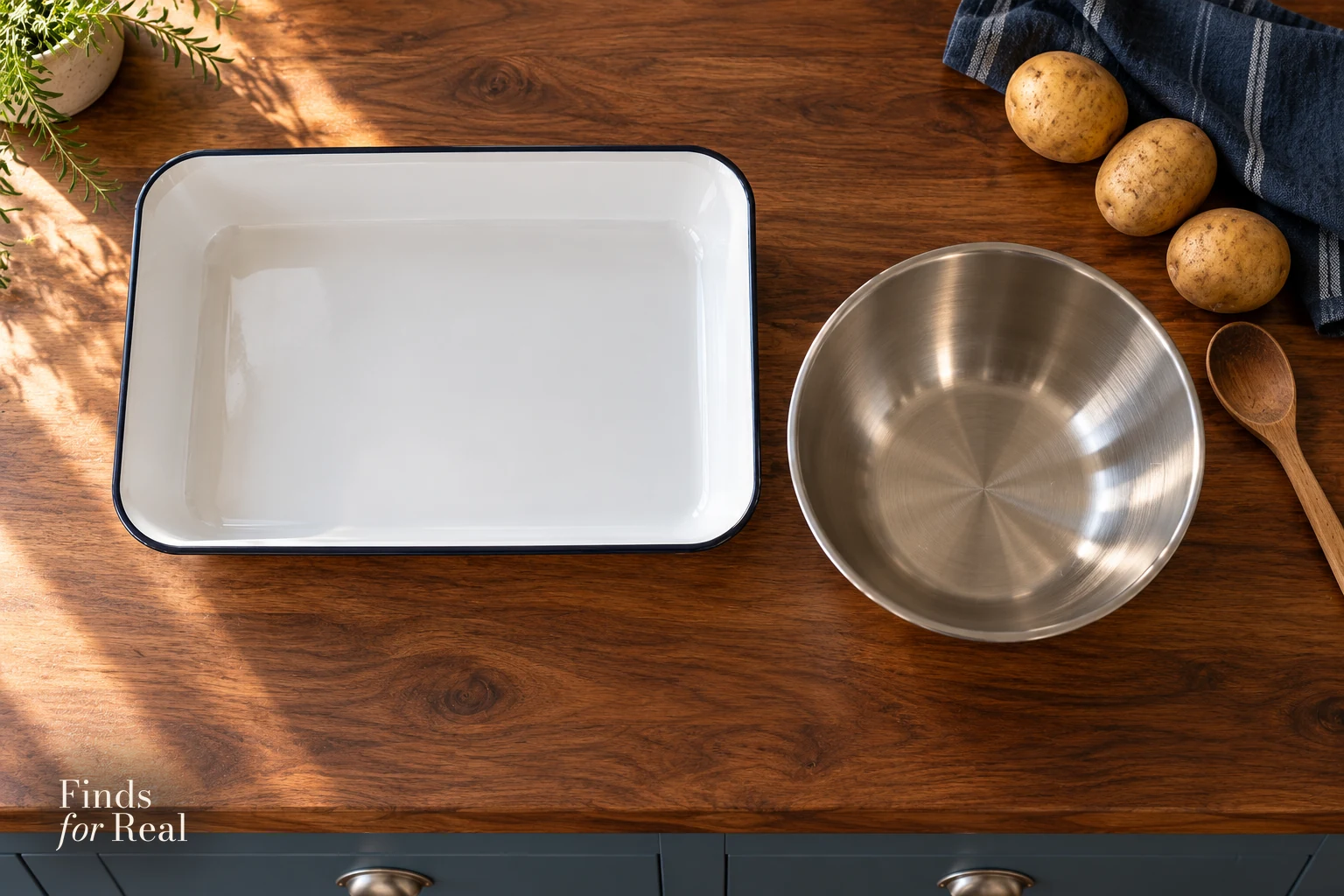
Make sure the smaller job still makes sense
A maximum batch gets the headline. Your normal batch needs an answer too.
If you usually make a small quantity, check whether the manufacturer gives a minimum amount, a recommended range or specific instructions for that task. Do not assume that every larger model struggles with small batches; do not assume the opposite either. The bowl, tool and recipe matter.
This is also where accessories can change the comparison. A second bowl might help with two separate mixtures, while a larger bowl answers a different need. More pieces and more capacity are not interchangeable benefits.
Measure it open, not just parked
The appliance fits beneath the shelf. Lovely. Can you open it there?
A tilt-head mixer needs room to raise its head. A drawer needs a clear path in front of it. A lid, handle or removable water tank may need space beyond the closed body. Where a manufacturer specifies ventilation or safety clearances, those belong in the measurement too.
Mark out the listed width and depth on the surface where the appliance will stand. Then check its height and the space needed to operate it, using the exact model’s dimensions and manual. Leave those measurements separate; there is no single extra allowance that works for every appliance.
Think about what normally lives beside it. A machine that occupies the only practical chopping space has a larger effect on the kitchen than its footprint suggests.
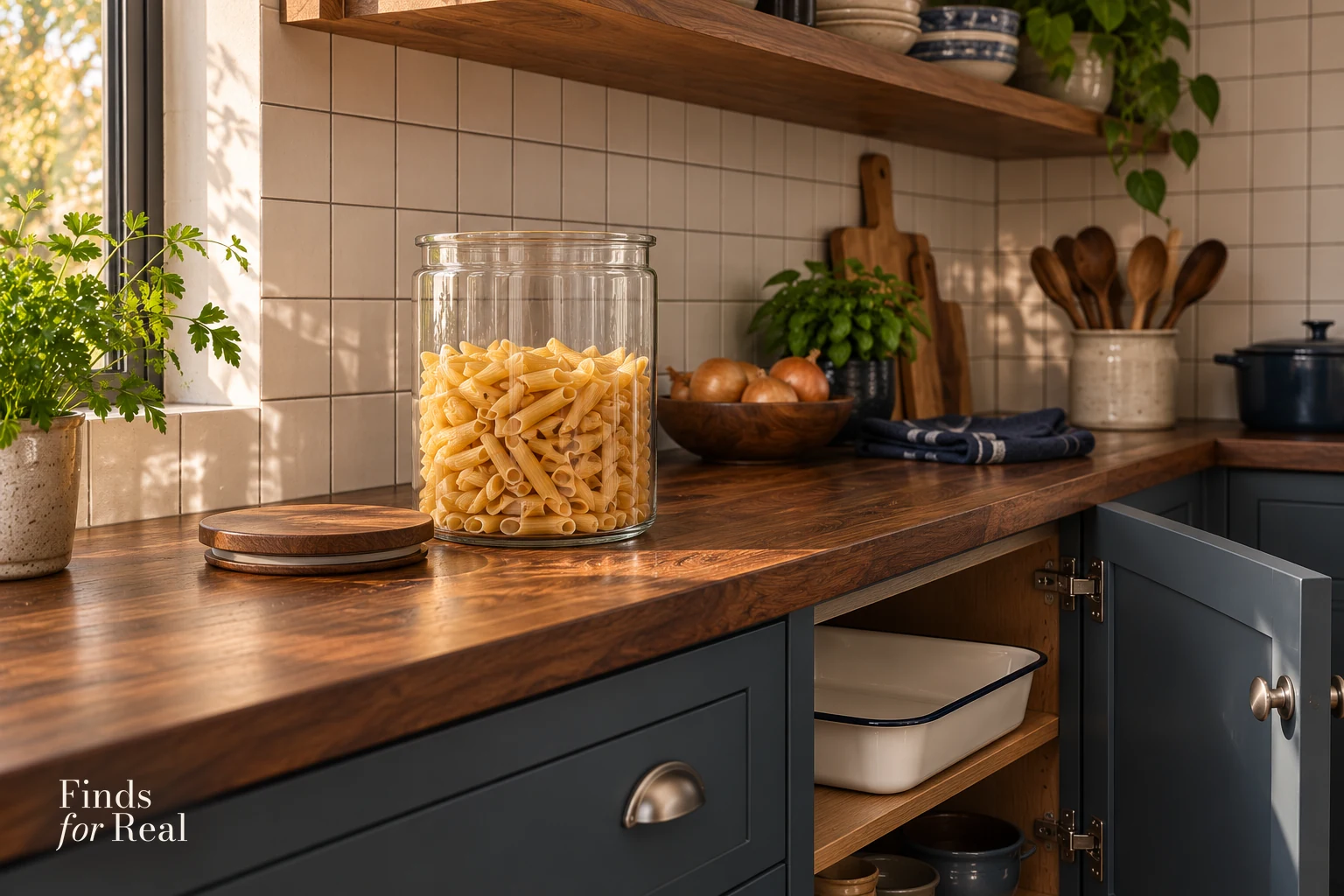
Bigger earns its place when the extra room does a real job
If you regularly split a recipe because your current equipment is too small, the extra capacity has a clear purpose. The same is true if the larger size accommodates the dish you use every week, or a model’s documented limits better suit the batches you make.
Check what the larger option actually changes. Does it let you prepare the quantity you need within the instructions? Does it remove a second batch? Can the portions or separate foods be handled the way you intend? An increase in total volume does not answer all three questions.
There is no prize for choosing the smallest version. A larger appliance that fits your work and your space may be the sensible choice. It simply deserves a specific reason.
Give the smaller one a fair comparison
Smaller can be enough when the ordinary batch fits comfortably within the model’s guidance and the larger version offers space you would rarely use. It may also leave you with a more useful stretch of counter or an easier route into the cupboard.
But compare the actual models. Smaller does not automatically mean cheaper to run, easier to clean or better at the task. Those are separate questions, with separate evidence. Nor should a lower price persuade you to accept repeated batches you already know will annoy you.
The trade-off is practical: How often would you use the extra capacity, and what would you give up to keep it?
Before you click the larger size
Finish this sentence: “I need the extra capacity because…”
“I make this quantity every week” is a good answer. So is “This is the size of dish I need it to take.” “It is only a little more” describes the price difference, not what the extra space will do.
Compare your usual batch, the usable interior and the room needed to operate each model. If the larger one solves a recurring problem, buy the room you need. If it mostly solves an imaginary future occasion, the smaller one deserves another look.
You are buying something to use in your home. Let that home have a say.
A closer look at two kitchen decisions
For an air fryer, the layout of the drawers matters alongside total capacity. Our Ninja Foodi MAX AF400ME guide looks at its two-drawer arrangement and who it suits.
If you are weighing bowls and accessories, the KitchenAid Artisan in Honey guide explains what comes with the 4.8 L kit and where the spare bowl helps.